


Key Takeaways
- Venue rules can influence menu planning, food service methods, and catering logistics.
- Restrictions on kitchen access, equipment, and vendor approvals may affect catering operations.
- Space limitations can determine whether buffet, plated, or packed meal service is suitable.
- Delivery schedules and setup windows can impact event planning.
- Early communication between venues and caterers helps reduce operational challenges.
Introduction
Selecting a venue is one of the first steps in organising an event, but venue requirements can affect more than seating capacity and décor. Catering arrangements are often influenced by policies that govern food preparation, vendor access, equipment usage, and event operations. This instance is particularly relevant when arranging halal catering in Singapore, where caterers must maintain proper food handling procedures throughout preparation, transportation, and service. Understanding venue restrictions early allows organisers to avoid unexpected complications and ensure smoother event execution.
Kitchen Access Can Affect Menu Planning
Many venues have different policies regarding kitchen usage. Some provide access to preparation areas and reheating facilities, while others require all food to be prepared off-site. This restriction can influence the types of dishes that caterers recommend for an event.
Once kitchen access is limited, caterers may need to focus on menu items that travel well and maintain quality during transportation. Certain dishes that require extensive on-site preparation or continuous heating may not be practical. Due to this, menu planning often depends not only on guest preferences but also on the facilities available at the venue.
Vendor Policies May Limit Catering Choices
Some venues operate with approved vendor lists or exclusive catering partnerships. Event organisers may discover that their preferred catering company is not authorised to serve at a particular location. External caterers, in some cases, are allowed only after obtaining approval from venue management.
This situation can affect planning timelines and available options. That said, before confirming a venue booking, organisers should determine whether external caterers are permitted and whether additional requirements apply. Addressing these questions early helps prevent scheduling issues and last-minute adjustments.
Venue Layout Influences Food Service Methods
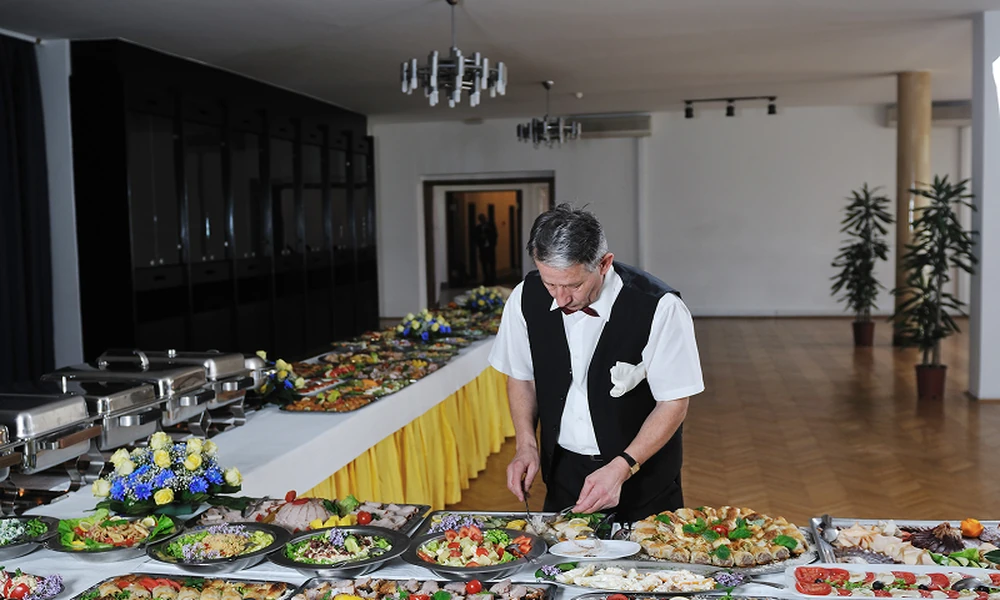
The physical layout of a venue can also affect catering arrangements. Large halls may accommodate buffet stations, beverage counters, and live food stations comfortably. Smaller venues may have restrictions on where food can be displayed or served.
Limited floor space may require caterers to adapt their service model. Instead of a traditional buffet, organisers may need to consider plated meals or individually packed servings. These adjustments help maintain efficient guest movement while complying with venue safety and operational requirements.
Equipment Restrictions Can Impact Operations
Many venues impose rules regarding the use of catering equipment. Restrictions may apply to portable cooking appliances, open flames, warming equipment, or electrical devices. Such policies are common in hotels, heritage buildings, and indoor function spaces.
These limitations can affect both menu selection and service style for halal catering in Singapore. Some dishes may require equipment that is not permitted within the venue. Caterers often recommend alternatives that can be prepared and served without violating venue regulations. Understanding these restrictions beforehand helps avoid disruptions during the event.
Delivery and Setup Requirements Matter
Venue restrictions frequently extend to logistics. Loading bay access, lift usage, delivery timing, and setup schedules are often regulated to minimise disruption to other venue activities. Some venues permit vendor access only during specific hours.
These requirements can significantly affect catering operations, particularly for larger events. Food, serving equipment, tables, and service staff must all arrive and be prepared within the allocated timeframe. Effective coordination between venue management and catering teams helps ensure that setup is completed efficiently and without delays.
Conclusion
Venue restrictions can have a direct impact on catering arrangements, influencing everything from menu planning to food service and event logistics. Policies related to kitchen access, vendor approvals, equipment usage, and setup schedules often require caterers to adapt their operations. That said, for organisers arranging halal catering in Singapore, understanding these requirements early helps minimise complications and allows sufficient time for planning. Careful coordination between the venue and catering provider can help create a smoother event experience while meeting operational and service expectations.
Contact Orange Clove to work with a professional halal catering provider that understands how to navigate venue restrictions, coordinate logistics, and deliver a seamless dining experience for your guests.