


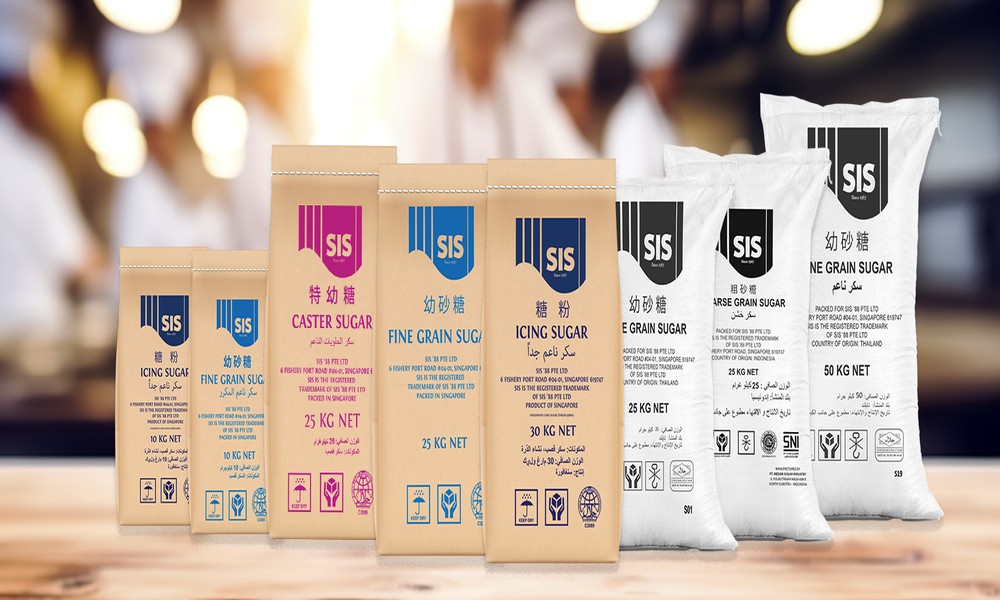
SIS sugar Singapore has established itself as a reliable sweetener choice across the island’s diverse food industry, from bustling hawker centres to high-end bakeries, yet the story of how this product reaches countless kitchens reveals much about Singapore’s intricate supply networks and quality standards. Understanding what makes SIS sugar a preferred option requires looking beyond the packaging to examine the systems that deliver consistent quality, competitive pricing, and reliable availability.
The SIS Sugar Legacy in Singapore
The sugar industry in Singapore operates within a tightly controlled framework, where quality assurance and supply chain reliability determine market success. SIS sugar Singapore has carved out its position through decades of consistent delivery to both retail and commercial customers. The brand’s presence spans wet markets, provision shops, supermarkets, and wholesale distribution channels, creating a network that serves everyone from home bakers to industrial food manufacturers.
What distinguishes SIS sugar from competing products involves more than branding. The supply chain reflects Singapore’s broader commercial infrastructure, where importers, distributors, and retailers coordinate to maintain steady availability despite the nation’s complete dependence on imported sugar. This coordination becomes particularly critical during festive seasons when production schedules intensify across the food service sector.
Understanding SIS Sugar Product Range
SIS sugar Singapore encompasses multiple product specifications tailored to different applications. The range typically includes:
White refined sugar
Standard granulated sugar for general cooking and baking
Brown sugar
Containing residual molasses for richer flavour profiles
Caster sugar
Finely ground for quick dissolution in batters and beverages
Icing sugar
Powdered form essential for confectionery and decoration
Coarse sugar
Larger crystals for specific baking applications
Each variant serves distinct culinary purposes, and understanding these differences enables more informed purchasing decisions. The granulation size affects dissolution rates, moisture retention in baked goods, and visual presentation. Professional bakers select specific SIS sugar types based on precise functional requirements.
Quality Standards and Specifications
Sugar quality in Singapore adheres to strict standards enforced by regulatory authorities. SIS sugar Singapore products meet these requirements through careful processing and quality control measures.
Purity Levels
Refined white sugar should contain 99.8% or higher sucrose content, with minimal impurities. This purity affects not only sweetness intensity but also how the sugar performs in chemical reactions during cooking.
Moisture Content
Proper moisture levels prevent clumping and ensure consistent measurement accuracy. SIS sugar maintains moisture content within specified ranges, typically below 0.1% for refined white sugar. Excessive moisture promotes bacterial growth and reduces shelf stability.
Colour Specifications
White sugar colour is measured using standardised scales, with whiter products generally indicating more thorough refining. Brown sugar colour depends on molasses content, with variations ranging from light golden to deep brown.
Where to Source SIS Sugar in Singapore
Accessing SIS sugar Singapore products requires understanding the island’s distribution landscape. Multiple channels serve different customer needs and purchasing volumes.
Retail Availability
Neighbourhood provision shops and supermarkets stock SIS sugar in consumer-friendly packaging, typically ranging from 1kg to 5kg bags. These outlets serve household consumers and small-scale baking enthusiasts who require modest quantities.
Wholesale Distribution
Food service businesses, bakeries, restaurants, and catering companies require sugar in larger quantities. SIS sugar Singapore suppliers operating in the wholesale sector offer bulk packaging, often in 25kg or 50kg bags. Volume purchasing enables significant cost savings, though it requires adequate storage facilities and faster turnover to maintain freshness.
Commercial buyers should establish relationships with reliable wholesale distributors who can guarantee consistent supply, competitive pricing, and flexible delivery schedules. These partnerships become particularly valuable during high-demand periods when supply constraints may affect availability.
Practical Considerations for Bulk Purchasing
Businesses considering bulk SIS sugar Singapore purchases should evaluate several factors beyond unit pricing.
Storage Requirements
Sugar absorbs moisture from humid environments, leading to hardening and potential contamination. Proper storage requires:
- Climate-controlled facilities maintaining low humidity
- Sealed containers preventing moisture ingress
- Pest-proof storage areas
- First-in-first-out inventory rotation
- Elevated storage platforms preventing ground moisture contact
Singapore’s tropical climate makes these storage considerations particularly critical. Inadequate storage can render large sugar purchases unusable, negating any cost savings from bulk buying.
Usage Forecasting
Accurate consumption forecasting prevents both stockouts and excessive inventory. Food service operators should analyse historical usage patterns, account for seasonal variations, and maintain buffer stocks for unexpected demand spikes. SIS sugar suppliers often provide guidance on appropriate order quantities based on business type and scale.
Quality Verification
Upon delivery, verify that SIS sugar Singapore products meet expected specifications. Check packaging integrity, confirm production dates, inspect for contamination or moisture damage, and verify weight accuracy.
The Economics of Sugar in Food Service
Sugar represents a significant cost centre for bakeries, confectioneries, and beverage operations. A medium-sized bakery might consume several hundred kilograms monthly, making supplier selection a material business decision. SIS sugar Singapore pricing reflects multiple factors including global commodity markets, currency fluctuations, logistics costs, and local distribution expenses.
Savvy buyers monitor these variables to optimise purchasing timing. Building relationships with knowledgeable SIS sugar distributors provides access to market intelligence that informs better purchasing decisions.
Making Informed Sugar Procurement Decisions
The sugar supply chain in Singapore operates with remarkable efficiency, delivering millions of kilograms annually to sustain the island’s vibrant food culture. Whether operating a home-based cake business or managing a hotel pastry kitchen, understanding how to access quality sugar at competitive prices contributes directly to operational success. By examining supplier reliability, product specifications, storage requirements, and pricing structures, buyers can develop procurement strategies that ensure consistent access to the sweetener that powers Singapore’s diverse culinary landscape, with sis sugar Singapore remaining a trusted choice across retail and bulk purchasing channels.