









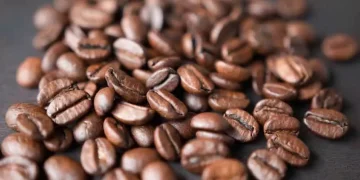








Buying in volume sounds simple on paper. The logic is easy to understand. Larger orders can help with stock planning, cost control and day-to-day convenience. The problem is that bulk buying only works well when quality stays dependable. If flavour drops off, if performance becomes inconsistent, or if the product stops suiting the way coffee is served, the benefit of ordering more quickly disappears. That is why smart buyers are taking a more careful approach to bulk coffee beans.
This is especially relevant in cafés, offices, hotels and foodservice settings where coffee is not an occasional extra but a regular part of the day. In these environments, buyers need a product that can handle repeated use, fit the equipment in place and deliver a reliable result from one order to the next. The goal is not simply to buy more. It is to buy more without introducing new problems.
Why bulk buying can go wrong
The main risk with ordering coffee beans in larger quantities is that buyers sometimes focus too heavily on unit cost. Lower cost per bag can look attractive, but that number does not tell the full story. If the flavour feels dull, the roast profile is inconsistent or the beans do not perform well for espresso coffee, the price advantage becomes less impressive.
There is also the issue of fit. A product that seems fine in theory may not suit the actual setup. Offices may need something easy-drinking and broadly appealing. Cafés may need a stronger profile that stands up well in milk. Hotels may need a dependable option for breakfast service while also keeping decaf coffee beans available for guests who want more flexibility later in the day.
Bulk buying works best when it is based on usage, service style and consistency rather than price alone.
Consistency matters more as volume increases
When a small order underperforms, the disappointment is limited. When a large order disappoints, the problem lasts longer. That is why consistency matters even more when buying bulk coffee beans.
For businesses, consistency affects customer experience and operational ease. Café staff need to know the coffee will behave predictably during service. Offices want a brew that tastes right without constant adjustment. Hospitality venues want dependable coffee across different shifts and service periods.
Consistency also helps supporting items do their job properly. A smooth base coffee can work well with selective coffee syrups in seasonal drinks. Strong, balanced coffee can hold its character in takeaway service when poured into disposable coffee cups. When the beans themselves are unstable, every other part of the coffee offer becomes harder to manage.
Freshness is still important in larger orders
One common worry around buying more coffee beans is whether freshness will suffer. It can, but that usually depends on planning rather than on quantity alone. Bulk buying works best when stock levels reflect real demand and storage is handled sensibly.
For high-use environments, larger purchases may move quickly enough to avoid any real freshness issues. The bigger concern is over-ordering without understanding actual consumption. That can leave buyers sitting on product for longer than intended, which is rarely ideal.
This is where realistic stock planning becomes part of coffee quality. Knowing how much is used each week, how many drinks are served and whether demand changes seasonally can make a big difference. A buyer who understands usage patterns is far more likely to make bulk buying work successfully.
Not every setting needs the same approach
Bulk coffee beans make sense in different ways depending on the environment.
A café may need a core bean that works confidently for espresso coffee, flat whites, cappuccinos and lattes. It may also want a second option such as decaf coffee beans or a guest offering, but the main priority is consistent service.
An office may care less about latte art and more about broad appeal. Coffee needs to taste pleasant, feel accessible and avoid becoming a source of complaints. Here, reliability and ease often matter more than complexity.
A takeaway-led business has another layer to think about. The drink itself still matters most, but service items such as disposable coffee cups become part of the buying decision too. If takeaway coffee is a major part of the operation, the beans and the packaging need to support the same level of quality.
Good bulk buying is about range discipline
A common mistake in coffee procurement is trying to cover every possible preference with too many products. That can create clutter, slow down ordering and make stock harder to manage. In many cases, bulk buying works better when the range is focused.
That might mean one dependable bag of coffee beans for most drinks, one option of decaf coffee beans for flexibility, and a carefully chosen selection of coffee syrups if flavoured drinks are genuinely part of the offer. The point is not to minimise choice for the sake of it. It is to avoid a scattered buying approach that makes service less efficient.
A tighter range can actually strengthen the coffee offer. Staff understand the products better, ordering becomes easier and customers receive a more consistent experience.
Value in bulk comes from repeatable performance
The real value of bulk coffee beans is not just the savings on paper. It comes from making daily coffee service smoother and more dependable. If staff can rely on the coffee, if customers enjoy it consistently, and if reordering becomes straightforward, the product is doing its job properly.
This is also where many buyers become more strategic. They stop thinking in terms of cheap versus premium and start thinking in terms of suitable versus unsuitable. That shift usually leads to better long-term buying decisions.
A coffee that costs slightly more per kilo but works perfectly across drinks may offer stronger value than a cheaper product that creates waste, inconsistency or dissatisfaction. The same logic applies to supporting products around the coffee experience.
Buying more should not mean accepting less
There is no reason bulk coffee beans should automatically mean lower quality. The best outcomes come when buyers combine volume with clarity. They know what kind of coffee they need, how it will be served and what standards it has to meet. From there, buying in larger quantities becomes far more effective.
Whether the setting is a busy café, a workplace kitchen, a hotel breakfast area or a takeaway service built around disposable coffee cups, the principles remain the same. Choose coffee that suits the setup, performs consistently and supports the broader experience. For buyers trying to strike that balance while ordering at scale, Discount Coffee is one option worth exploring.
FAQs
1. Can bulk coffee beans still deliver good flavour?
Yes. Bulk coffee beans can work very well when buyers choose products suited to their setup and manage stock levels realistically.
2. Should cafés buying in bulk also stock decaf coffee beans?
Often, yes. Decaf coffee beans help cafés and hospitality venues serve a wider range of customers without complicating the menu too much.
3. Do disposable coffee cups matter when buying coffee in bulk?
They can, especially for takeaway-led businesses. Good disposable coffee cups support service quality and help complete the overall coffee experience.