

















Sichuan cooking is known for bold flavours, from the numbing tingle of Sichuan peppercorns to the deep heat of chilli oil and fermented bean paste. These intense dishes are rarely eaten on their own. Staples such as rice, noodles and breads help balance the heat, soak up sauces and make a meal more satisfying. Whether you are cooking at home or exploring Sichuan cuisine in Singapore for the first time, knowing which staple suits each type of dish can make the experience more enjoyable.
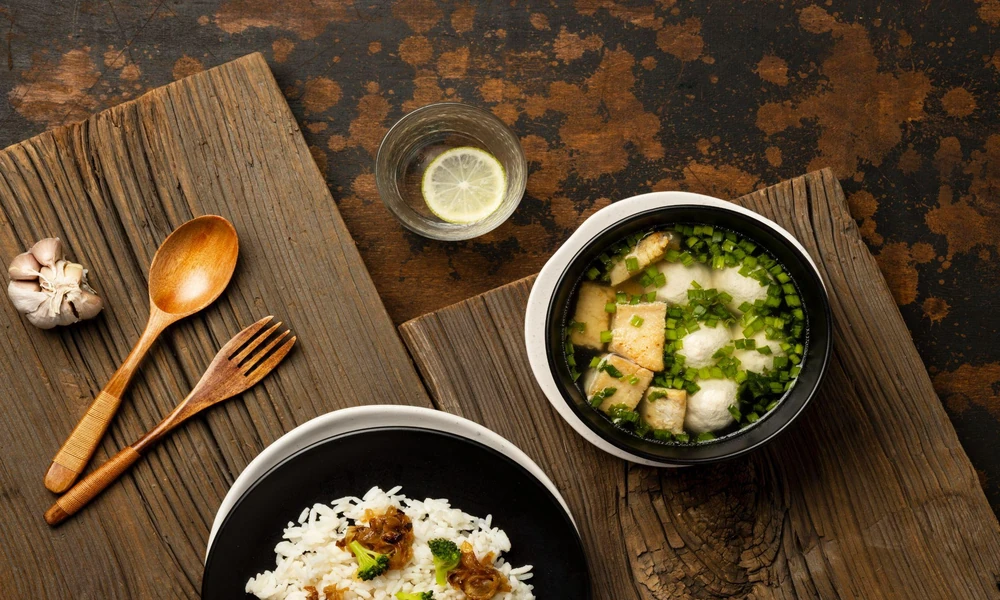
Steamed White Rice
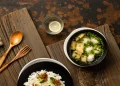
Plain steamed rice is the most common partner for Sichuan dishes, as its mild flavour softens strong spices. It pairs especially well with dishes like these:
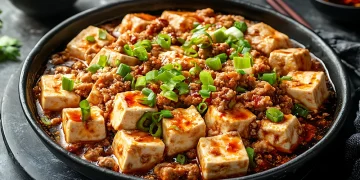
- Mapo tofu, where the rice absorbs the spicy, oily sauce.
- Twice-cooked pork, whose rich, savoury flavour benefits from a neutral base.
- Yu xiang eggplant, with its sweet, sour and spicy garlic sauce.
- Kung pao chicken, where rice balances the peanuts, chilli and tangy glaze.
- Stir-fried greens with garlic, which round out a rice-based meal.
Wheat Noodles
Wheat noodles are eaten widely across China, and Sichuan has many noodle dishes of its own. They are often served in these forms:
- Dan dan noodles, topped with minced pork, preserved vegetables and chilli oil.
- Cold noodles dressed with sesame paste, vinegar and chilli, popular in warm weather.
- Noodles in spicy beef broth, where the soup carries the heat.
- Plain boiled noodles served alongside saucy stir-fries as an alternative to rice.
- Hand-pulled or knife-cut noodles in braised beef dishes with a thick, spicy gravy.
Rice Noodles and Sweet Potato Noodles
Not all Sichuan noodles are made from wheat, and starch-based noodles appear in many soups and snacks. Many diners exploring Sichuan food in Singapore come across these noodles too, and they work best in situations such as these:
- Sweet potato glass noodles in hot and sour soup, where their chewy texture holds the broth.
- Rice noodles added to hotpot, absorbing the spicy soup base as they cook.
- Glass noodles stir-fried with minced pork, a dish sometimes called “ants climbing a tree”.
- Rice vermicelli in lighter soups that balance spicier dishes on the table.
Buns and Flatbreads
Breads are less common than rice but still have a place in Sichuan meals. They suit dishes with thick sauces or crispy textures, including the following:
- Steamed mantou buns, used to wipe up the sauce from braised or stir-fried dishes.
- Guokui, a crisp flatbread from Chengdu that can be filled with spiced meat.
- Fried mantou served with condensed milk, often ordered to cool the palate.
- Sesame flatbreads paired with cold, spicy appetisers.
Matching Staples to Heat and Texture
Beyond specific dishes, a few general guidelines can help when choosing staples for a shared meal. It is worth keeping principles like these in mind:
- Choose plain rice for saucy or oily dishes so the flavour is not lost.
- Opt for noodles in soup when you want a complete meal in one bowl.
- Use cold noodles or plain buns to give the palate a break between hot dishes.
- Match crisp breads with soft braises for contrast in texture.
- Order at least one mild staple when sharing several spicy dishes.
Sides That Balance the Table
Staples work best alongside a few milder sides that offset the heat. Commonly ordered options include these:
- Smashed cucumber salad with garlic and vinegar.
- Clear soups, such as tomato and egg, to refresh the palate.
- Stir-fried cabbage or bean sprouts with a light seasoning.
- Soy milk or herbal tea to soothe the numbing sensation.
Building a Balanced Sichuan Meal
A satisfying Sichuan meal combines bold dishes with staples and sides that balance their intensity. Starting with steamed rice, then adding noodles, buns or cooling sides as needed, lets diners enjoy the full range of flavours without being overwhelmed by the heat.
Message Chen’s to reserve a table and sample our Sichuan dishes with your choice of staples.