























Food insecurity continues to affect countless families who struggle to access nutritious meals while managing everyday expenses. Rising living costs, unexpected financial difficulties, and limited employment opportunities can make it challenging for households to maintain a consistent food supply. Food donation drives provide essential support by connecting generous individuals and organizations with families experiencing these challenges. Beyond addressing immediate hunger, these initiatives encourage community participation, reduce food waste, and create opportunities for people to support one another during difficult times.
The Importance of Food Donation Drives
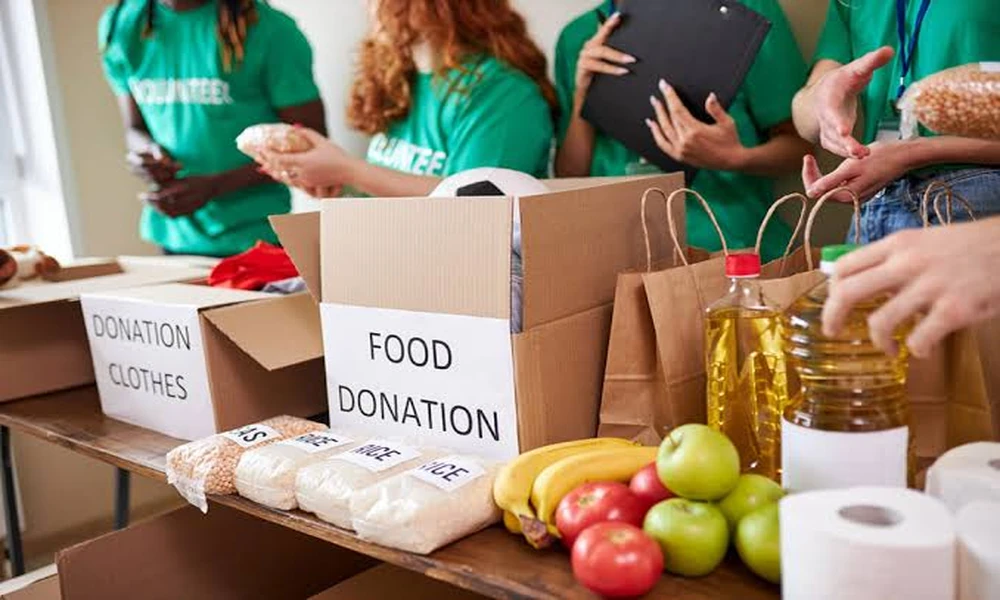
Food donation drives are organized efforts to collect nonperishable groceries, fresh produce, and other essential food items for distribution to individuals and families in need. These initiatives are commonly coordinated by nonprofit organizations, community centers, schools, religious institutions, and local volunteer groups.
Many people interested in contributing begin by searching for food donations near me to discover local collection centers, food banks, and community assistance programs. Finding nearby opportunities makes participation more convenient and encourages individuals to contribute regularly rather than limiting their involvement to special occasions. Even modest donations can become meaningful when combined with contributions from other community members.
Providing Essential Nutrition to Vulnerable Families
Access to nutritious food is necessary for maintaining physical health, supporting childhood development, and improving overall well-being. Unfortunately, families experiencing financial hardship may prioritize housing, transportation, and utility payments over purchasing balanced meals.
Food donation drives help address these challenges by providing essential groceries such as rice, beans, canned vegetables, whole grains, and other nutritious products. When organizations receive suitable fresh produce, dairy products, and protein sources, they can offer families more balanced food options.
Children particularly benefit from reliable access to nutritious meals because proper nutrition supports concentration, learning, and healthy growth. Older adults and individuals managing health conditions may also benefit from consistent access to appropriate food choices.
Strengthening Community Connections Through Giving
One of the most valuable aspects of food donation drives is their ability to bring people together around a shared purpose. Residents, businesses, educational institutions, and volunteer organizations can collaborate to collect, organize, and distribute essential food supplies.
Schools can encourage students to participate in collection campaigns, helping younger generations understand the importance of compassion and social responsibility. Local businesses can contribute by organizing workplace donation programs or providing transportation and storage assistance.
These collaborative efforts create stronger relationships between community members while demonstrating that addressing hunger requires collective participation. When individuals witness the positive outcomes of their contributions, they may become more motivated to support future charitable initiatives.
Reducing Food Waste Through Responsible Donations
Food donation drives also contribute to environmental sustainability by redirecting suitable surplus food toward people who need it. Grocery stores, restaurants, farms, and households sometimes have excess food that remains safe for consumption but may otherwise go unused.
Donating eligible food products helps reduce unnecessary waste while maximizing available resources. However, responsible donation practices are essential to protect recipients. Contributors should check expiration information, ensure packaging remains intact, and follow the receiving organization’s food safety guidelines.
Community organizations can strengthen these efforts by educating donors about acceptable items, proper storage conditions, and safe transportation procedures. This approach helps ensure that donated food remains useful, nutritious, and suitable for distribution.
Encouraging Regular Participation in Food Donation Programs
Although seasonal food drives receive significant attention, hunger remains a concern throughout the year. Families facing financial instability often require consistent assistance rather than occasional support during holidays or special events.
Establishing recurring donation programs can help community organizations maintain dependable food supplies. Individuals might contribute groceries monthly, while businesses can arrange scheduled collections or sponsor ongoing assistance initiatives.
Volunteering is another meaningful way to participate. Community members can help sort donations, prepare food packages, manage inventory, or assist with distribution activities. These contributions support the efficient operation of food assistance programs.
Making Food Donation Drives More Effective
Successful food donation drives require thoughtful planning, clear communication, and an understanding of community needs. Organizers should coordinate with local food banks or assistance programs to identify the most urgently needed items before beginning collection activities.
Promoting donation drives through community newsletters, social media, schools, and neighborhood organizations can increase awareness and participation. Clearly communicating collection dates, accepted products, and drop-off locations also makes contributing easier.
Organizers should prioritize dignity and accessibility during distribution. Providing convenient pickup arrangements, respecting household preferences, and protecting recipients’ privacy can help create a more welcoming experience for families seeking assistance.
Conclusion
Food donation drives represent more than temporary relief from hunger. They provide essential nutrition, strengthen community relationships, reduce food waste, and encourage a lasting culture of generosity. Through consistent participation and responsible organization, individuals and businesses can help create dependable support systems for vulnerable households. Every contribution, whether a grocery bag, volunteer hour, or organized collection effort, helps bring hope, stability, and nourishment to families facing difficult circumstances.