























Key Takeaways
- Tall cakes are engineered structures, not just stacked sponge layers
- Layer count, filling choice, and weight distribution directly affect stability
- A cake bakery uses internal supports like dowels and boards to prevent collapse
- Not all fillings are suitable for tall cakes due to the moisture and weight
- Structural planning starts before baking, not during decoration
Introduction
Tall cakes are often chosen for their visual impact, but what sits beneath the frosting is far more technical than most people expect. A cake bakery does not simply stack more sponge to achieve height. Instead, tall cakes are carefully constructed systems where layers, fillings, and internal supports must work together to maintain structure, taste, and presentation. Knowing what goes on inside explains why some tall cakes hold up perfectly while others lean, bulge, or collapse under pressure.
Layering Strategy
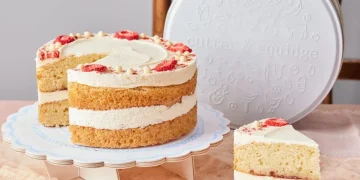
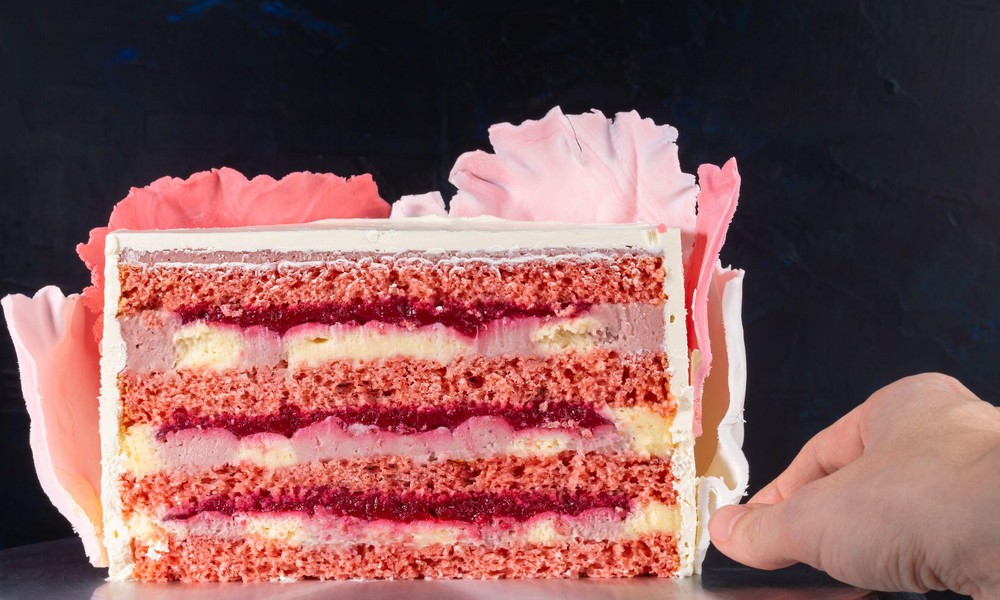
The defining feature of tall cakes is the number of layers. Instead of the standard two or three layers, tall cakes can have five, six, or more thin sponge layers stacked vertically. However, more layers do not automatically mean better results. A cake bakery controls thickness precisely because uneven layers create a weight imbalance. Thin, consistent layers allow better distribution of pressure across the cake, reducing the risk of sinking in the middle.
Another factor is sponge density. Lightweight sponge may seem ideal, but overly soft textures compress under weight, especially in tall cakes. On the other hand, an overly dense sponge can make slicing difficult and compromise the eating experience. The balance lies in creating a sponge that is firm enough to hold structure but soft enough to remain palatable. This is why tall cakes are often baked using specific recipes tailored for stacking rather than standard cake formulas.
Fillings
Fillings play a critical role in tall cakes, not just in flavour but in stability. A common misconception is that any filling works as long as it tastes good. In reality, a cake bakery selects fillings based on how they behave under pressure. Soft fillings such as whipped cream or loose custards can shift or compress, causing layers to slide. This situation leads to uneven sides or bulging between layers.
Stable fillings such as buttercream, ganache, or structured cream blends are preferred because they hold their shape. They act almost like an adhesive, keeping each layer in place. Moisture control is equally important. After all, excess moisture from fillings can seep into sponge layers, weakening the internal structure over time. This quality is especially critical for tall cakes that need to last through transport and display before serving.
Cake bakeries, in some cases, alternate filling types within the same cake. Firmer fillings may be used in lower layers to support weight, while lighter fillings are placed higher where structural pressure is reduced. This layered approach ensures both stability and variety without compromising the overall build.
Support Systems
The most overlooked component of tall cakes is the internal support system. Remember, without proper reinforcement, even well-layered cakes will fail. A professional cake bakery uses dowels, central rods, and cake boards to distribute weight vertically rather than letting it press down unevenly on the sponge.
Dowels are inserted through layers to act as columns, supporting upper sections of the cake. Cake boards are sometimes placed between sections to create separate weight-bearing tiers within a single tall cake. Meanwhile, for very tall structures, a central rod may run through the entire cake to anchor it in place and prevent shifting during transport.
These supports are not optional. They are essential engineering elements that allow tall cakes to remain upright and intact, especially during movement or in warm conditions. The risk of collapse increases significantly without them, regardless of how well the cake is decorated externally.
Assembly Order
The process of building tall cakes is planned in stages. A cake bakery does not assemble everything at once. Instead, layers are stacked, chilled, and stabilised progressively. Chilling firms up fillings and sponge, making the structure easier to handle and less prone to movement.
The assembly also considers timing. Tall cakes are often built close to delivery time to minimise exposure to heat and humidity. Each stage, from layering to crumb coating to final decoration, is designed to protect the internal structure while maintaining appearance.
Conclusion
Tall cakes are not simply larger versions of standard cakes. They are structured builds that rely on precise layering, controlled fillings, and internal support systems. A cake bakery approaches tall cakes with a technical mindset, balancing aesthetics with structural integrity. Understanding what goes on inside helps set realistic expectations on design, flavour, and handling for clients. The height may be what draws attention, but it is the internal construction that determines whether the cake performs as intended.
Visit Fieldnotes and go straight to a cake bakery that knows how to build tall cakes that actually hold up.